Lebanon – “Seven Seconds”

(2021) – 28m 48s
Lebanon – “Seven Seconds”
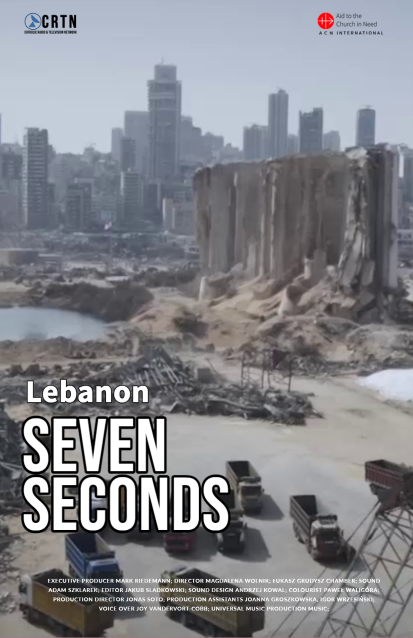
On August 4, 2020, an explosion of some 2750 metric tonnes of ammonium nitrate – the largest non-nuclear explosion ever recorded – devastated the port of Beirut and the Christian quarter of the Lebanese capital. Its impact triggered an earthquake, and the reverberation was felt all the way to Cyprus, 120 km away.
Lebanon – “Seven Seconds”
On August 4, 2020, an explosion of some 2750 metric tonnes of ammonium nitrate – the largest non-nuclear explosion ever recorded – devastated the port of Beirut and the Christian quarter of the Lebanese capital. Its impact triggered an earthquake, and the reverberation was felt all the way to Cyprus, 120 km away.
“The explosions were so near … 500 meters, we are in the red area, in the red line of the explosion. Everything was damaged in Beirut and our hospital too. We heard the cry of the patients and stuff, no electricity, no elevator, so we took the stairs and went down. We saw one of our nurses laying at the ground, she hit her head against the wall and she died instantly … I cried loudly, I told them bring all what’s left in the emergency room and try to help people outside in the road, and all that night was a dark night, really it was a dark night, all hope and dreams lost with the fell of the hospital and the area, but I heard a voice in my interior said: “I’m here, God is here, God will never leave you alone, is beside you”.
Sr. Nicolas Akiki General Director of Rosary Sisters Hospital,
Beirut, Lebanon On August 4, 2020, an explosion of some 2750 metric tonnes of ammonium nitrate – the largest non-nuclear explosion ever recorded – devastated the port of Beirut and the Christian quarter of the Lebanese capital. Its impact triggered an earthquake, and the reverberation was felt all the way to Cyprus, 120 km away. The tragedy left over 200 people dead and 6,500 wounded. The explosion is the latest in a series of crises that has plagued the country for decades: systemic corruption, a political crisis which has deadlocked the country’s unique power-sharing agreement, decaying public infrastructure and an economic crisis which has resulted in shuttered banks cutting the population from their savings. Today over 50% of Lebanese live below the poverty line. The result is a flood of emigration. At the end of 2020, over 380,000 applications for emigration had been submitted to foreign embassies. Many of these would-be emigrants are Christians. The documentary considers the reality of Lebanon today, and tomorrow.
Hide the description